Know the Warning Signs and When to Schedule an Assessment
Cracks can develop from normal material movement, moisture changes, or foundation settlement. While not every crack indicates a structural problem, cracks that widen, return, or appear with other changes may require a professional assessment. Hawaiʻi’s expansive clay, volcanic soils, fill material, and changing moisture conditions can cause uneven settlement and movement beneath a home.
Consider Scheduling an Assessment If You Notice:
- Cracks that are widening or increasing
- Diagonal cracks near doors or windows
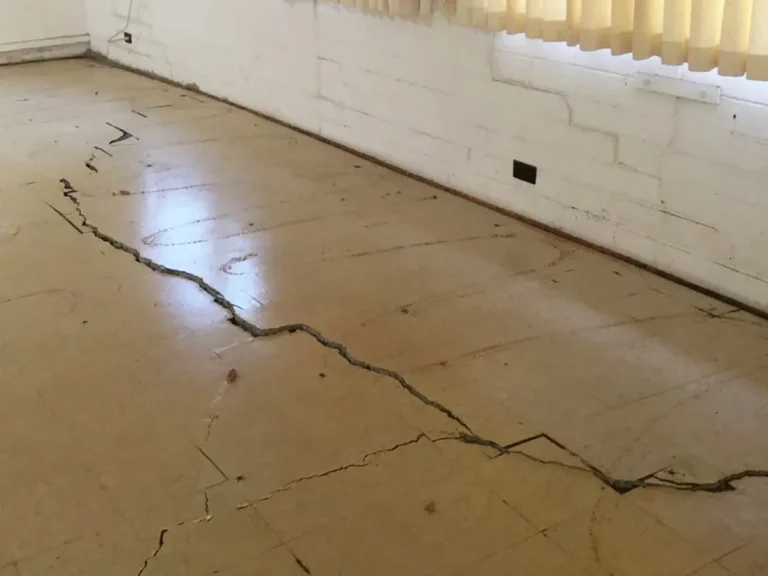
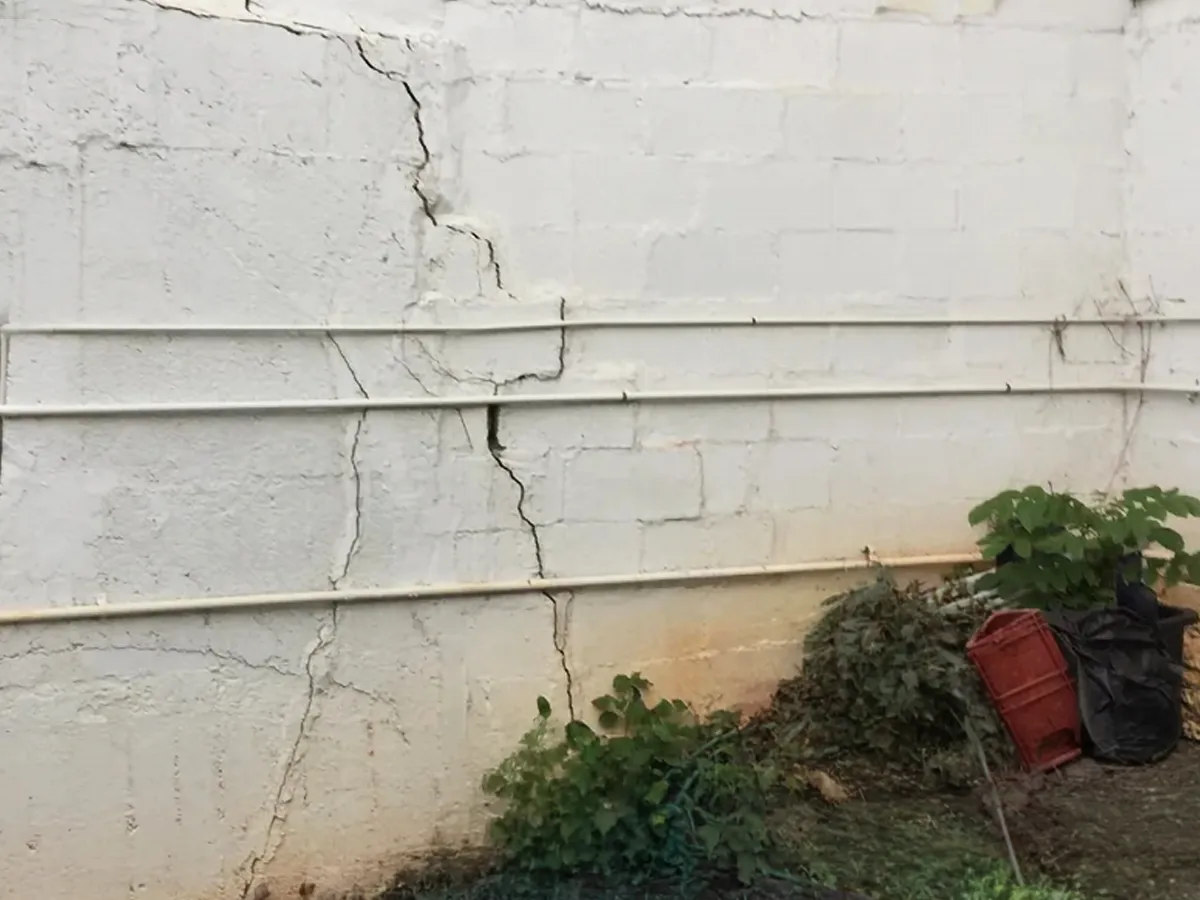
- Cracks in floors, slabs, or exterior walls
- Uneven or sloping floors
- Doors or windows that stick
- Gaps around walls, ceilings, or frames
- Cracks that return after cosmetic repairs
Why Foundation Movement Happens
Foundation problems often begin below the surface. Weak or loose soils may settle, expansive clay can swell and shrink, and water can erode soil or create voids beneath a foundation. Because a crack may only be a visible symptom, patching it without addressing the cause may not provide a lasting solution.
When to Request an Assessment
If you are seeing more than one of the signs above — or a single crack that keeps coming back — it is worth having the foundation evaluated before the movement continues. An assessment identifies whether the soil beneath your home is the cause and what stabilization approach fits the conditions on your property. Early evaluation typically means a smaller, less disruptive repair than waiting until doors no longer close or floors visibly slope.
Schedule a Home Assessment