Planning for Aging Windows Before Repairs Become Urgent
As condominium buildings age, window frames, seals, glazing, and waterproofing can deteriorate. This may lead to water intrusion, air leakage, corrosion, interior damage, and repeated repair costs.
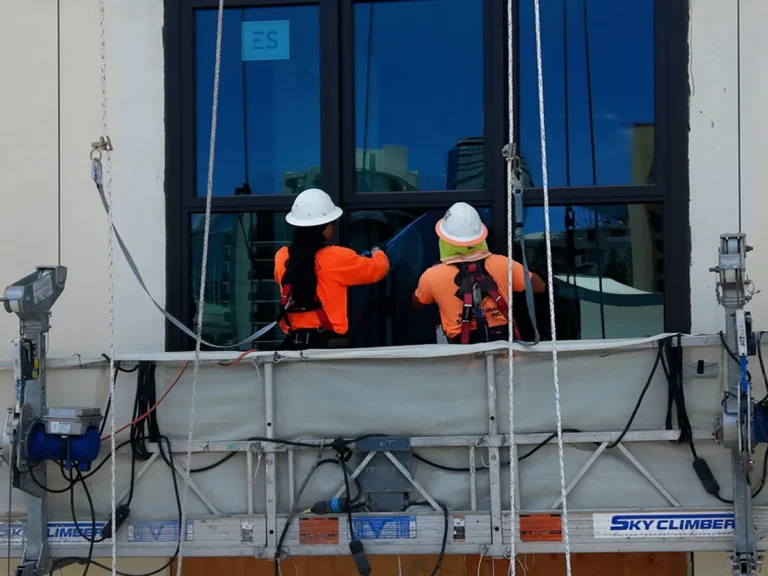
Replacing outdated window systems can improve weather protection, comfort, energy performance, appearance, and confidence in the property’s long-term condition.
The Value of Proactive Replacement
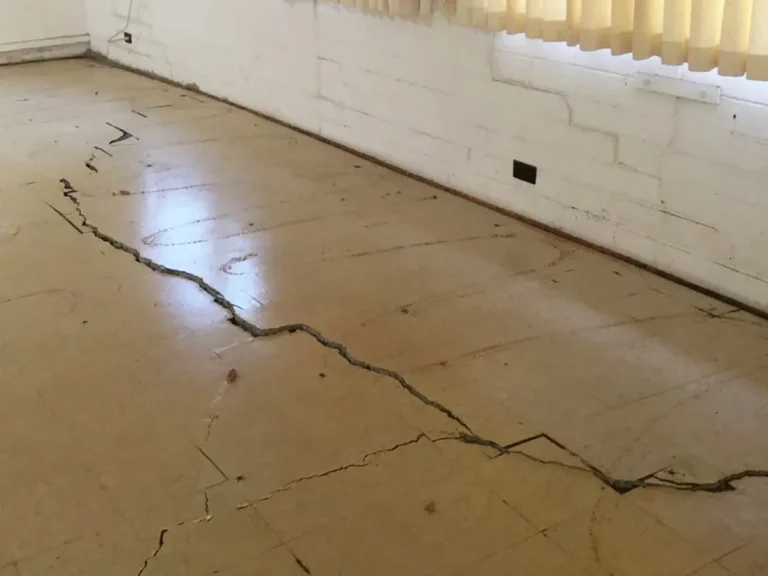
Deferred window replacement can create larger and more expensive problems. Leaks around aging openings may damage interior finishes and surrounding building materials, particularly in high-rise buildings exposed to wind-driven rain.
A coordinated replacement program can help:
- Reduce recurring leaks and temporary repairs
- Improve the building’s exterior appearance
- Protect interior finishes and structural components
- Improve resident comfort and window operation
- Support unit marketability and buyer confidence
- Reduce the risk of unexpected special assessments
The value restored is both functional and financial. Well-maintained buildings with documented capital planning are better positioned to protect property values.
Include Window Replacement in the Reserve Study
Condominium associations should determine whether windows are an association responsibility and include future repair or replacement costs in the reserve study when appropriate.
Planning should account for:
- Current condition and remaining useful life
- Engineering, testing, and permitting
- Building access and installation costs
- Phased or full-building replacement
- Construction escalation and contingencies
Including these projected costs allows the association to build reserves gradually and avoid unexpected financial pressure.
Plan Before Problems Escalate
Plan ahead to protect the building’s performance, appearance, and long-term value.