
Strengthen Weak
Soils Below Your Home
- Compaction Grouting
Densify and Stabilize Ground Conditions to Support Your Home
Weak or loose soils can compress under load, leading to settlement and instability.
Compaction grouting improves soil density and strength, providing a more reliable
base for your foundation.
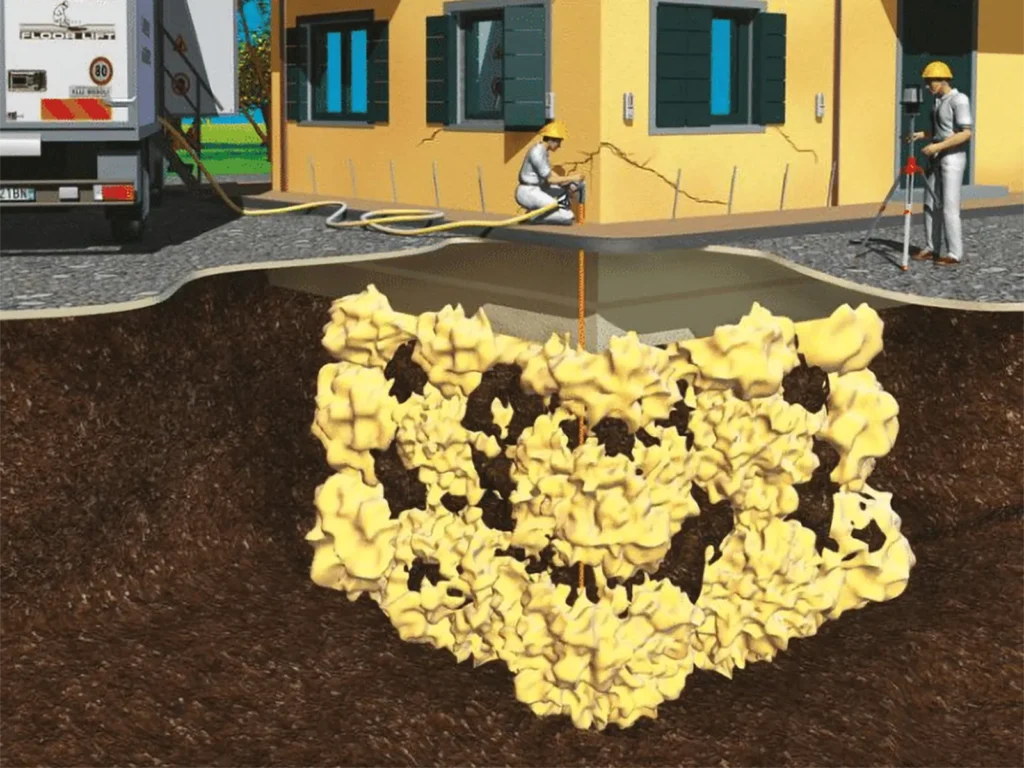
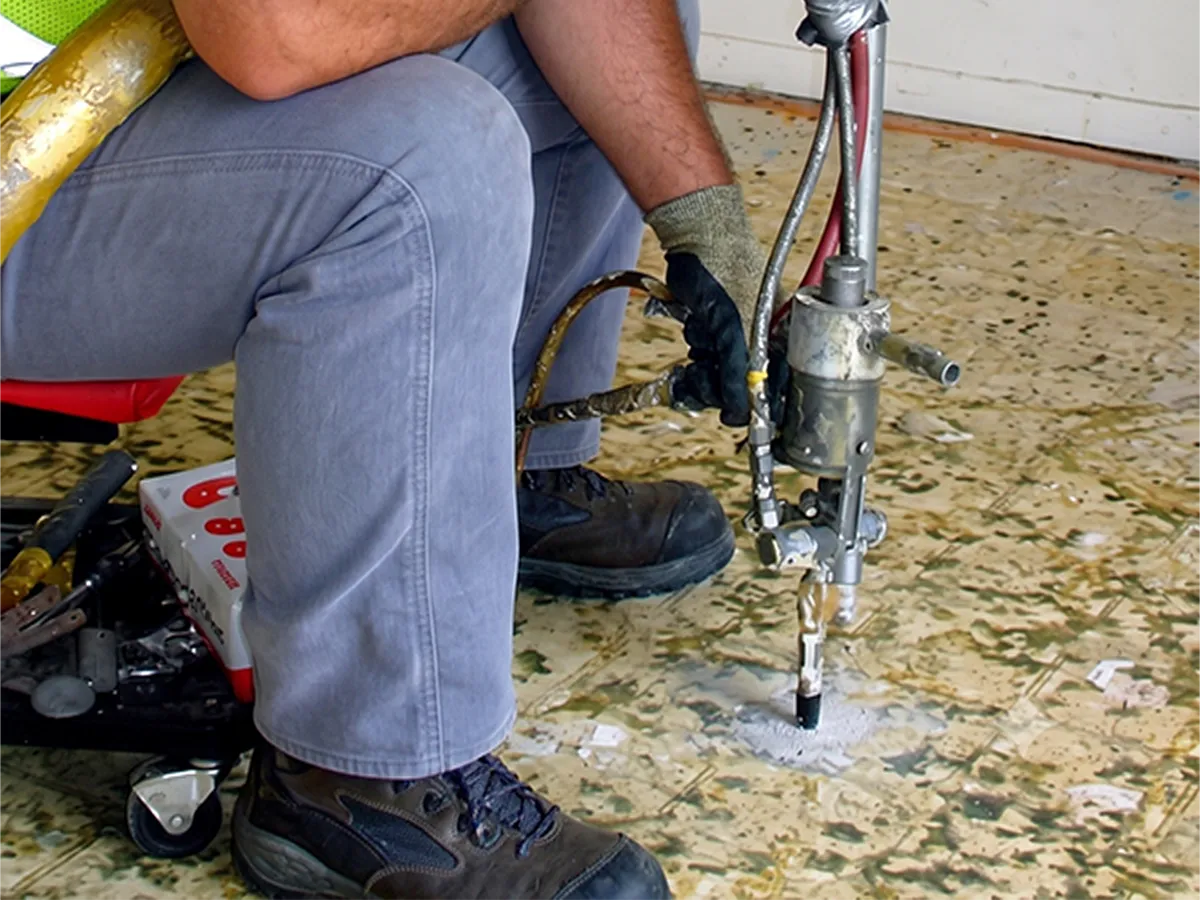
By injecting grout under pressure, we reinforce the soil structure below your home.
This process increases load-bearing capacity and reduces future movement.
Compaction grouting is a proven method for stabilizing loose or compressible soils. The process densifies the ground without excavation, making it ideal for residential applications. As grout is injected, surrounding soils are compacted and strengthened. This improves overall support and reduces the likelihood of further settlement. It is often used in conjunction with other foundation repair methods to create a comprehensive stabilization system.
Structural Systems Approach to Home Repair

Assess
Evaluate the structure, site
conditions, and visible concerns.

Diagnose
Identify the underlying
soil or structural cause issues.

Engineer
Develop a safe, reliable,
site-specific solution design.

Repair
Restore stability, integrity,
and long-term performance.
Frequently Asked Questions
What problems does compaction grouting solve?
Compaction grouting is used to stabilize loose or weak soils that can compress under your home’s weight. It helps address issues like foundation settlement, sinking slabs, and unstable ground conditions.
How does compaction grouting work beneath my home?
A specialized grout is injected into the ground under pressure, which compacts and densifies the surrounding soil. This strengthens the soil structure and increases its ability to support your foundation.
Is compaction grouting a long-term solution?
Yes. By improving soil density and load-bearing capacity, compaction grouting helps reduce future movement and settlement. It is often combined with other stabilization methods for a comprehensive, long-term repair.